

MT. KILIMANJARO CLIMB VIA LEMOSHO ROUTE 5 DAYS
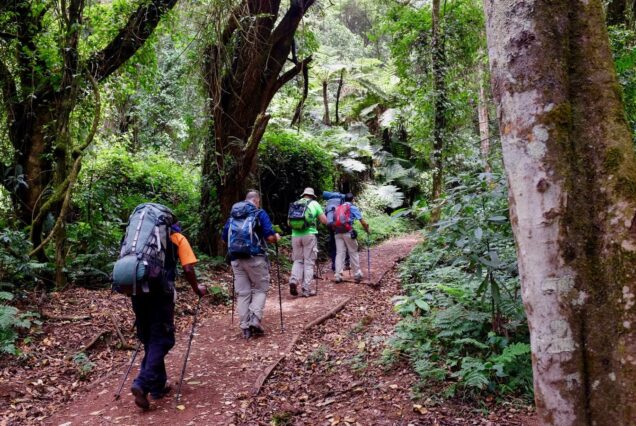
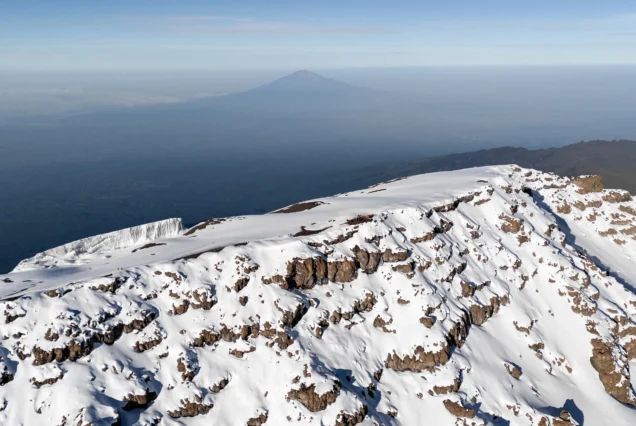
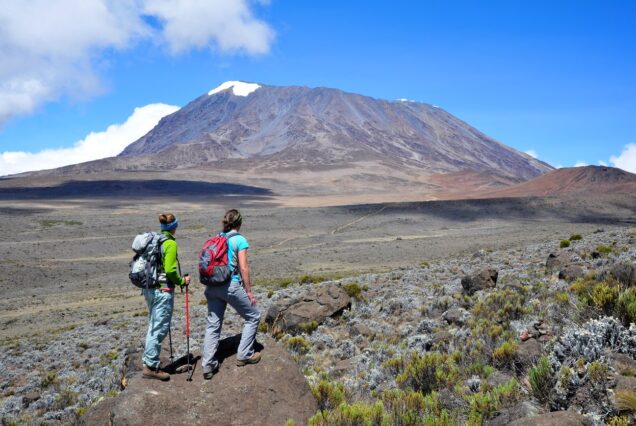
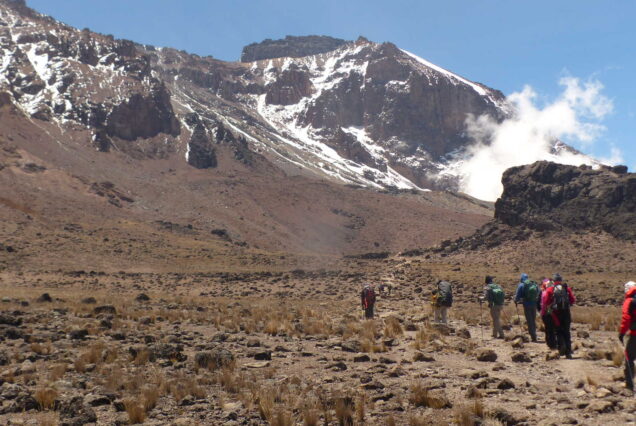
Snow capped Kilimanjaro is the highest point in Africa at 5,895 metres, and one of the world’s largest free standing mountains accessible to walkers. Kilimanjaro is located in northern Tanzania, only 190 miles from Nairobi. We will pick you right from the airport in Nairobi plan all your safari until the end. contact us for more information
Included/Excluded
- First night includes breakfast
- Last night includes dinner & breakfast
- Qualified guides with mountain crew
- Hut/camping fees and tents
- Rescue fees (required by the National Park)
- Pulse oximeters
- First aid kit
- Guides, porters, cook, waiter salaries
- Boiled water on the mountain
- Airport transfers (JRO - Kilimanjaro International Airports)
- All meals on the mountain (breakfast, lunch & dinner)
- Guides, porters, waiter, cook accommodation and entry fees on the mountain
- Tents foam sleeping pads, cooking equipment, and (Cutlery / Crockery) eating utensils.
- Two nights accommodation at the Springlands Hotel in Moshi double or triple occupancy (before and after the climb)
- Single rooms supplement at Springlands Hotel.
- Guides, Porters, Cook & Waiters tips
- Meals and drinks not specified
- Mountain equipment (eg sleeping bags)
- Gear for your climb, Some equipment is available for rent. See our rental price list.
- Items of personal nature (expenses)
- Emergency Oxygen
- Additional nights beyond the two standard hotel nights included
- Extra activities (waterfall tour, cultural village visit).
- Visa fees & travel insurance.
- Flight tickets.
- Entrance & Park Fees
Tour Plan
Drive from Moshi or Arusha to the Londorossi Park Gate. From here follow a forest track in a 4WD vehicle for 11 km/7 mi (45 minutes) to Lemosho Glades and a possible campsite. From the Glades, walk for 3 hours along beautiful forest trails to the Mti Mkubwa (big tree) campsite.
After breakfast, you will hike east up a steepening path above the highest vegetation toward Kilimanjaro’s looming mass. After several hours, you walk through a rocky landscape to reach the prominent landmark called Lava Tower at 4,630 m/15,190 ft. This chunky remnant of Kilimanjaro’s earlier volcanic activity is several hundred feet high, and the trail passes right below it. For extra credit, the sure-footed can scramble to the top of the tower. After a lunch stop near Lava Tower, descend for 2 hours below the lower cliffs of the Western Breach and Breach Wall to Barranco Camp at 3,950 m/12,960 ft. There are numerous photo opportunities on this hike, especially if the walls are festooned with ice. Barranco Camp is in a valley below the Breach and Great Barranco Walls, which should provide you with a memorable sunset while you wait for your dinner. On this day, be careful to notice any signs of altitude sickness.
You will rise around 11:30 PM, and after some steaming tea and biscuits, you shuffle off into the night. Your 6-hour climb northwest up through heavy scree between the Rebmann and Ratzel glaciers to Stella Point on the crater rim is the most challenging part of the route for most climbers. At Stella Point (5,685 m/18,650 ft) you stop for a short rest and a chance to see a supremely sanguine sunrise. At Stella Point you join the top part of the Marangu Route, but do not stop here too long, as it will be extremely difficult to start again due to cold and fatigue. Depending on the season and recent storms, you may encounter snow on your remaining hike along the rim to Uhuru Peak. On the summit, you can enjoy your accomplishment and know that you are creating a day that you will remember for the rest of your life. After your 3-hour descent from the summit back to Barafu Camp, you will have a well-earned but short rest, collect your gear, and hike down a rock and scree path into the moorland and eventually into the forest to Mweka Camp (3,100 m/10,170 ft). This camp is in the upper forest, so you can expect mist or rain in the late afternoon. Dinner, and washing water will be prepared.
After a well-deserved breakfast, it is a short, scenic, 3-hour hike back to the park gate. Don’t give your porters any tips until you and all your gear have reached the gate safely, but do remember to tip your staff at the gate. At Mweka Gate, you can sign your name and add details in a register. This is also where successful climbers receive their summit certificates. Climbers who reached Stella Point are issued green certificates and those who reached Uhuru Peak receive gold certificates. From the Mweka Gate, you will continue down to the Mweka Village, possibly a muddy, 3 km, 1 hour hike if the road is too muddy for vehicles. In the Mweka Village you will be served a delicious hot lunch after which you are driven back to Moshi for an overdue hot shower and comfortable night in our Springlands Hotel or similar hotel
